Wedding Photographer vs Videographer: Do You Need Both?
By Migala 6 min read
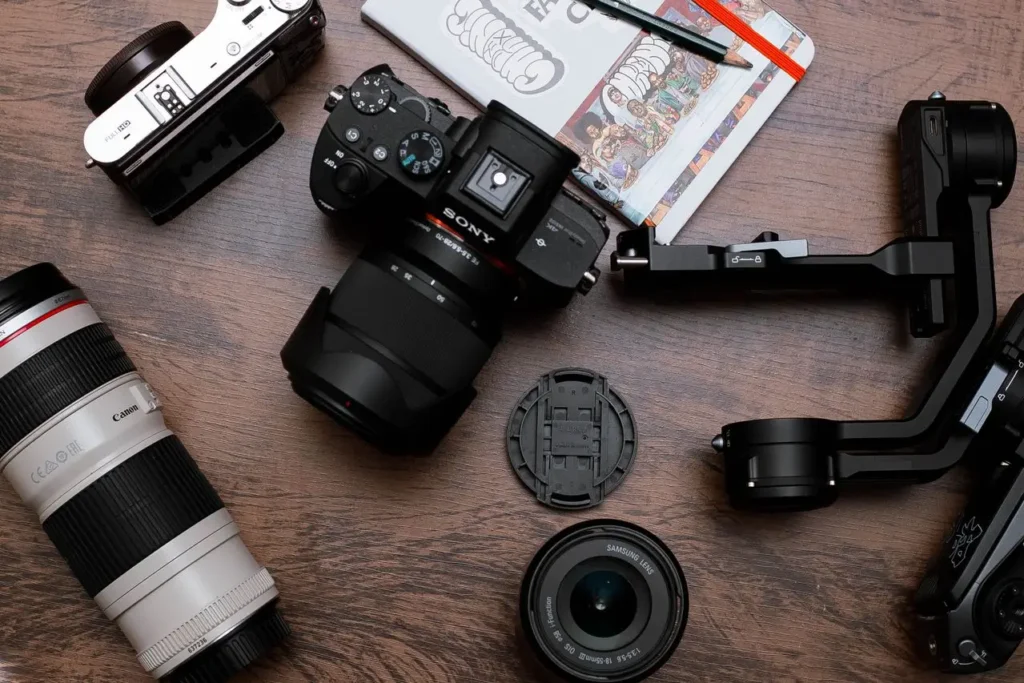
Photos or video? It’s a reel dilemma. (We’ll show ourselves out after this paragraph. Maybe.) This guide works through the wedding photographer vs videographer question: what each one gives you, how to tell if you need both, and what to ask before you pay either of them.
What’s the difference?
A photographer gives you still moments. A videographer gives you movement and sound.
- Photos freeze a moment: the look on your partner’s face, the whole family lined up after the ceremony, the cake before anyone touched it. They go on the wall, in the album and in the group chat.
- Video keeps what photos can’t: your vows in your own voices, the speeches, the laughter after a joke, the first dance as it moved, your lola’s blessing word for word.
Neither one replaces the other. They record different things.
How do you decide if you need both?
Ask yourselves four questions. Your answers point the way.
- Which moments do you want to hear again? If it’s the vows, the speeches or a message from someone who matters, that’s video. A photo shows a speech happened. Video keeps what was said.
- What will you go back to? Some couples flip through an album every anniversary. Some would rather press play. Be honest about which one you’ll be in ten years.
- Do you want something shown at the reception? A same-day edit is a short video put together during the day and played for guests that evening. Only a video team can make one.
- Who else will watch? Relatives who couldn’t travel may want more than photos.
If every answer points to stills, a photographer alone can cover the day well. If even one points to sound and movement, talk to a videographer too.
What can a videographer give you?
Package names vary, so ask what’s actually inside. Things to ask about:
- A highlight film: a short edited video of the day.
- A same-day edit, shown at the reception, and who provides the screen and sound to play it.
- Full recordings of the ceremony and the speeches, uncut.
- Raw footage: whether you can have it, or only the edited films.
- Drone shots, if you want them and the venue allows them.
- How many people are on the video team, and for how many hours.
- How the videos are delivered, and by when.
One team or two?
Some studios offer both photo and video. Others work with a partner, or you hire each one on your own.
One studio for both means one agreement and one team that already knows how to work together. Ask whether the photo and video people are the studio’s own team or brought in for the day.
Two separate suppliers let you choose each one on their own work. If you go this way:
- Introduce them before the wedding. Ask each one if they’ve worked with the other before.
- Ask how they share space. A video light or a tripod in the wrong spot shows up in somebody’s frame.
- Agree one shot list of the moments and family groups you can’t miss, and send it to both.
- Check your church or venue’s rules for both of them, such as where they can stand during the ceremony. Rules for photographers don’t always match rules for video. (The church coordinator has the final word. Always.)
Questions to ask either one
Three questions are worth asking every supplier:
- What is the total price, with every extra?
- What happens if either of us has to cancel or change the date? Ask for the answer in writing.
- What is your backup if something goes wrong, such as illness or equipment failure?
Then add the ones that matter here:
- Who exactly will shoot our wedding? Ask for that person’s name and a full gallery or a full film they shot, not only the highlights.
- How do you record sound for the vows and speeches? Ask the videographer whether they bring their own microphones or use the venue’s sound system.
- How long do you keep our files, and can we ask for copies later?
- Can you use our photos or footage in your portfolio or ads? Tell them what you’re comfortable with.
Check for extras
These catch hosts out. Ask each supplier, photo and video, because some quotes count them inside the price and some don’t:
- Overtime. What is the hourly rate, and when does the clock start and stop?
- Transport and out-of-town fees, parking and tolls, especially if the church and the reception are far apart.
- Meals for the team on the day. With both a photo and a video team, that’s more plates to plan for. (We’d never turn down a plate either. Please don’t count us.)
- Equipment for a same-day edit, such as a projector, a screen and the venue’s sound system.
- Extra edits, prints, albums and rush delivery, if they aren’t in the package.
Put it in writing
Once you’ve chosen, get each agreement in writing. Chat messages and receipts are a record, but a written agreement is clearer for both of you. Each one should cover:
- what is included and what isn’t, and the total price;
- who will shoot, the date, the start and end times, and the overtime rate;
- what you’ll receive and by when;
- the payment schedule, with an official receipt for each payment;
- cancellation and change terms in both directions: if you cancel, and if the supplier does;
- a backup or replacement if the supplier can’t make it.
If you hire two suppliers, you’ll have two agreements. Check they cover the same date and hours.
Check the supplier is real
A beautiful highlight film isn’t proof the business exists. Before you pay a deposit:
- Check they exist offline too. Ask for the business name and its registration or permit details, and check them yourself.
- Meet or video-call first. Don’t pay a stranger you found only through an ad.
- Ask the venue or other suppliers who has worked there reliably.
- Don’t treat reviews, awards or a busy social page as proof.
- Pay in ways you can trace, and keep every receipt.
Line the proposals up
Put each proposal’s answers in one table so the differences show. Here’s a made-up example. It leaves out prices on purpose.
| Studio A (photo and video) | Photographer B + Videographer C | |
|---|---|---|
| Who shoots on the day | Named, same as samples | Both named |
| Highlight film | Included | Included |
| Same-day edit | Included | Charged separately |
| Full ceremony recording | Not stated | Yes |
| Shot list agreed by both | One team | Needs a meeting |
| Cancellation terms | In writing | One in writing, one not stated |
Two setups can cost the same and cover very different days. The table shows you which one fits yours.
Get proposals in one place
If you’d rather not message studios one by one, post your event and say whether you want photos, video or both. Then compare the proposals that come back. Migala connects you with suppliers. You and each supplier agree the terms between yourselves, so use the questions above on every proposal. Or browse photographers and videographers.
Choosing a photographer first? Start with how to choose a wedding photographer. Working out the rest of the budget? See the wedding costs couples forget.
Whichever you pick, someone will be recording the first dance. Practise it once. Just once. Nobody needs to see the rehearsal footage.