Grazing Table vs Buffet: Which Suits Your Event?
By Migala 4 min read
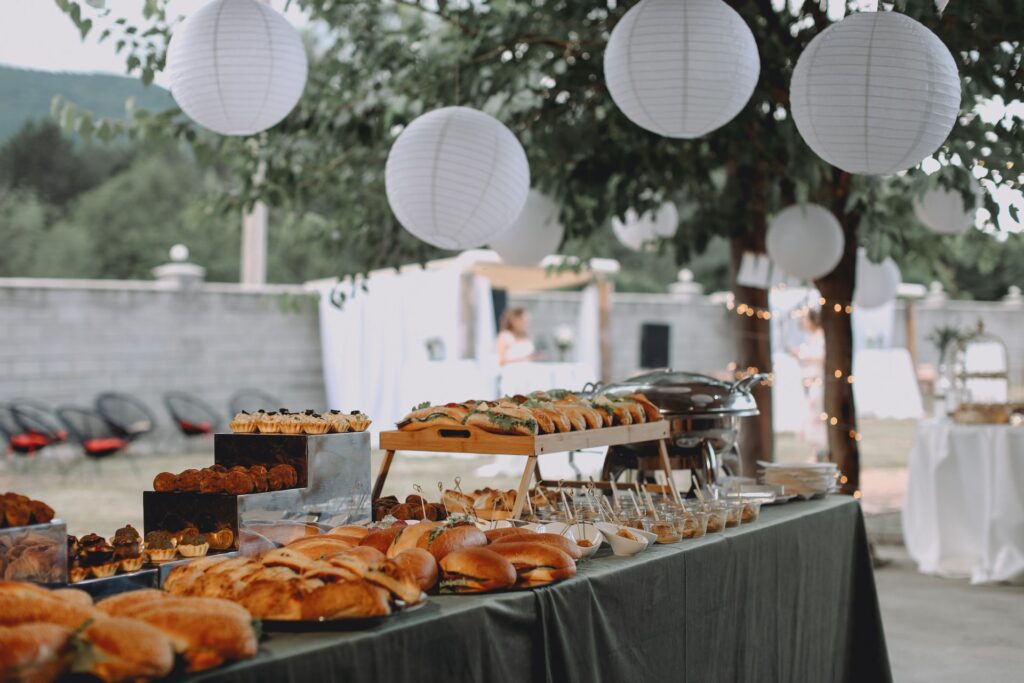
Both put a lot of food on a long table and invite your guests to help themselves. One is a line, and one is a landscape. Here’s how the grazing table vs buffet question works out, so you can pick the format that fits your event and then ask caterers the right things.
The guide covers what each format is, how guests experience it, what to ask about, the extras to check and how to line the two up fairly.
What is a grazing table?
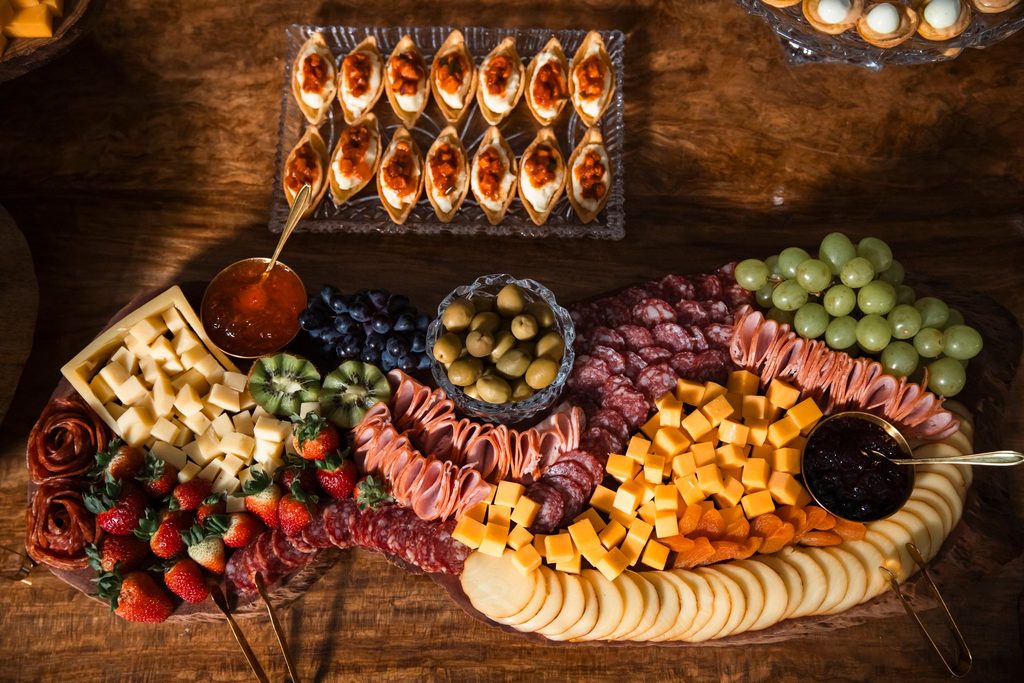
A grazing table is one long spread of food, usually bite-sized and often arranged to look as good as it tastes. Guests walk up, pick what they like and wander off again, in no particular order.
What is a buffet?
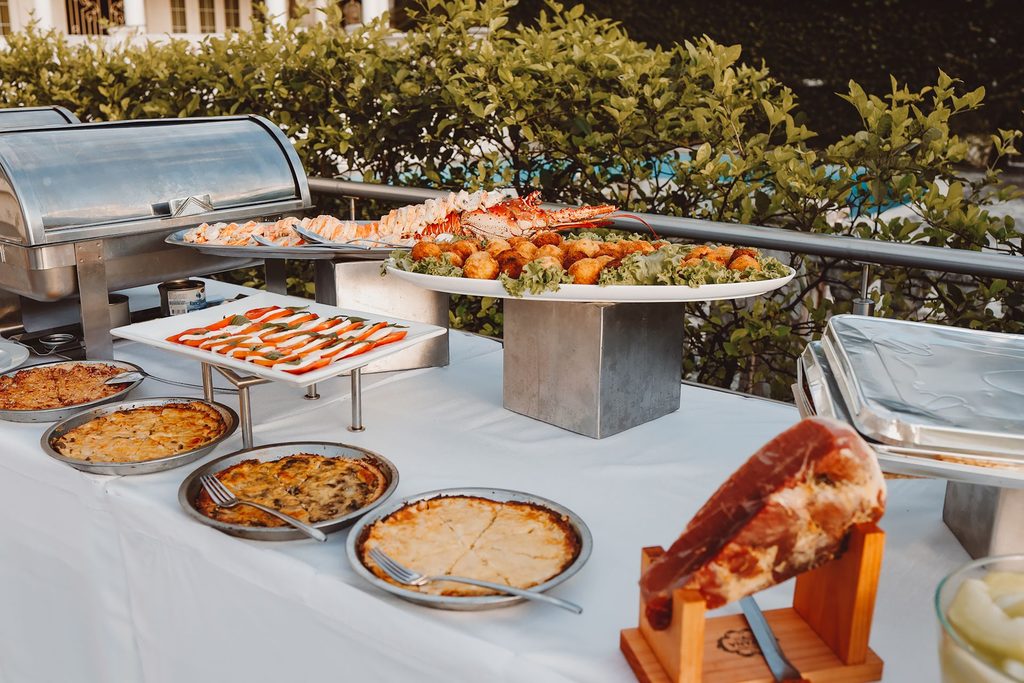
A buffet is a set of dishes laid out for guests to serve themselves, usually in a queue and often with hot dishes kept warm. Guests take a plate, work along the line and sit down to eat.
How do they feel to guests?
The format changes the mood of the party more than the menu does.
- A grazing table feels like mingling. Guests eat standing, graze between conversations and come back when they’re hungry. It suits events where people move around.
- A buffet feels like a meal. Guests sit down with a full plate. It suits events where you want everyone eating together.
Neither is better. Ask yourself what your guests will be doing: dancing, talking, watching a program, or sitting at tables with their families.
What should you decide first?
Caterers can only quote what you tell them. Before you ask anyone for a price, settle:
- Your guest count. If it’s still a range, say so.
- The kind of meal. A snack between activities, a full meal, or something in between.
- The date, the place and the hours. When food is served and for how long it stays out.
- Where the food will go. How much table space the venue has, and whether it allows outside caterers.
Give every caterer the same answers, for both formats. Then you’re comparing quotes for the same job.
What to ask a supplier for either format
Three questions are worth asking every supplier:
- What is the total price, with every extra?
- What happens if either of us has to cancel or change the date? Ask for the answer in writing.
- What is your backup if something goes wrong, such as illness, a delivery that doesn’t arrive or equipment failure?
Then add the ones that matter for these formats:
- What’s on the table, and can I see a photo of a past setup for a similar number of guests?
- How many guests is this meant to feed, and is it meant as a snack or as a meal?
- How is the food kept fresh and safe while it’s out, and for how long?
- Who sets up, who tops up and who clears, and is that included?
- What about dietary needs, such as allergies, halal or vegetarian guests? How are those dishes labelled and kept separate?
- What do you provide for the table itself: boards, platters, stands, chafing dishes, plates, napkins, cutlery?
What extras should you check?
These catch hosts out. Ask each supplier, because some quotes count them inside the price and some don’t:
- Service staff, how many and for how many hours.
- Setup and teardown, and whether they count inside the hours.
- Equipment and rentals, including plates, cutlery and linens.
- Overtime. What is the hourly rate, and when does the clock start and stop?
- Transport and out-of-town fees, parking and tolls.
- Service charge and taxes, whether they’re already in the price.
Can you have both?
Yes. Some events pair a grazing table for the first hour with a buffet later, or a grazing table beside a main meal. If you want both, ask each supplier whether they offer both or work with a partner, and put the whole arrangement in one written agreement.
Put it in writing
Once you’ve chosen, get the agreement in writing. Chat messages and receipts are a record, but a written agreement is clearer for both of you. It should cover:
- what is included and what isn’t, and the total price;
- the guest count, the menu and the hours;
- the payment schedule, with an official receipt for each payment;
- cancellation and change terms in both directions;
- a backup or replacement if the supplier can’t make it.
Line the two up
Put each quote in one table so the differences show. Here’s a made-up example. It leaves out prices on purpose.
| Grazing table | Buffet | |
|---|---|---|
| Meant as | Snack | Full meal |
| Service staff included | Yes, 4 hours | Not stated |
| Setup and teardown | Inside the hours | Charged separately |
| Equipment and plates | Included | Rental extra |
| Dietary options labelled | Yes | Not stated |
| Cancellation terms | In writing | In writing |
Two quotes with the same total can cover very different amounts of food and help. Check what each one includes before you compare the total.
Get proposals in one place
If you’d rather not chase suppliers one by one, post your event and compare the proposals that come back. Migala connects you with suppliers. You and the supplier agree the terms between yourselves, so use the questions above on every proposal. Or browse grazing table suppliers and caterers.
Choosing a caterer for the whole event? Read how to choose a caterer.
Post your event, compare the proposals, and let the table do the talking. The tita will find the lumpia on either one.